Health First Orthopedic and Spine Specialists Bring Expert Care Beyond the Exam Room
Whether it’s knee pain, back problems or questions about treatment options, orthopedic concerns affect people of all ages. To help address those questions, Health First Medical Group recently welcomed community members to a free Orthopedic and Spine expert lunch-and-learn Q&A at Health First Medical Group - Crane Creek.
The lunch-and-learn event brought together five specialists for an open discussion designed around the audience’s questions, giving attendees the opportunity to speak directly with experts about joint pain, spine conditions, sports injuries, foot and ankle care, pain management and more.
The physician panel included:
- Dr. Devin Datta, Orthopedic Spine Surgeon
- Dr. Sara Lewis, Podiatrist and Foot and Ankle Surgeon
- Dr. Kyle Rockwell, Non-operative Sports Medicine Physician
- Dr. Brent Stephens, Orthopedic Surgeon
- Dr. Carlos Williams, Orthopedic Surgeon
One of the first questions from the audience centered on a common concern many patients have before receiving treatment: anxiety about injections and procedures.
The physicians acknowledged anxiety about injections is common and reassured attendees that there are several ways to improve comfort during procedures.
Depending on the treatment, options such as topical lidocaine creams or patches may be used to numb the area, and some procedures can even be performed with sedation.
The panel encouraged patients to talk openly with their providers about any concerns so their care team can help make the experience as comfortable as possible.
Pain management remained one of the afternoon’s biggest topics.
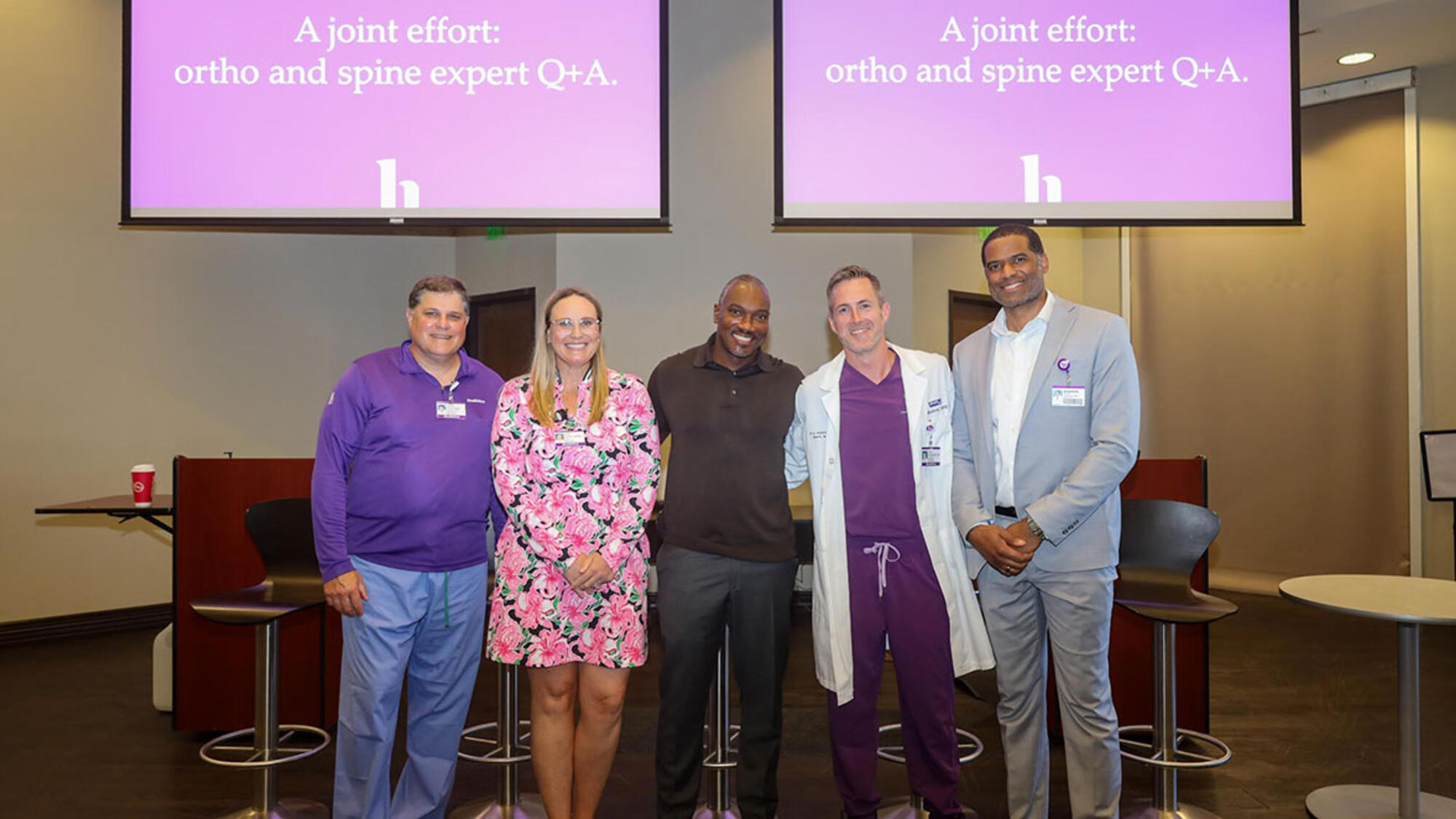
Pictured, left to right: Dr. Devin Datta, orthopedic spine surgeon; Dr. Sara Lewis, podiatrist and foot and ankle surgeon; Dr. Brent Stephens, orthopedic surgeon; Dr. Kyle Rockwell, non-operative sports medicine physician; and Dr. Carlos Williams, orthopedic surgeon, all with Health First Medical Group.
When an attendee asked what they could do to reduce joint pain without immediately turning to surgery, the physicians shared a variety of practical strategies.
They encouraged staying active through low-impact exercise, maintaining flexibility with regular stretching, and strengthening muscles through resistance training to help support and stabilize joints.
Other recommendations included using compression sleeves, alternating ice and heat therapy, soaking in Epsom salt baths, and discussing anti-inflammatory supplements such as turmeric and fish oil with a healthcare provider.
The physicians also emphasized that maintaining a healthy weight can significantly reduce stress on joints, while limiting processed foods and added sugars may help reduce inflammation throughout the body.
Keeping the body active, maintaining a strong core, and participating in exercise classes or other group fitness activities can improve balance, flexibility, and overall joint health while helping prevent injuries before they happen.
As questions continued, the conversation shifted to how orthopedic treatments have evolved over the years.
Attendees were curious about newer procedures, including nerve ablation, and whether advances in medicine have created more options for patients experiencing chronic pain.
The physicians explained that orthopedic care continues to advance, with new techniques providing additional treatment options for many conditions.
However, they also reminded attendees that no two patients are alike.
A treatment that works well for one person may not be the best choice for another.
Age, activity level, overall health, and medical conditions such as diabetes or smoking history all influence treatment decisions.
Even among surgeons, approaches and recommendations may differ based on a patient’s unique needs.
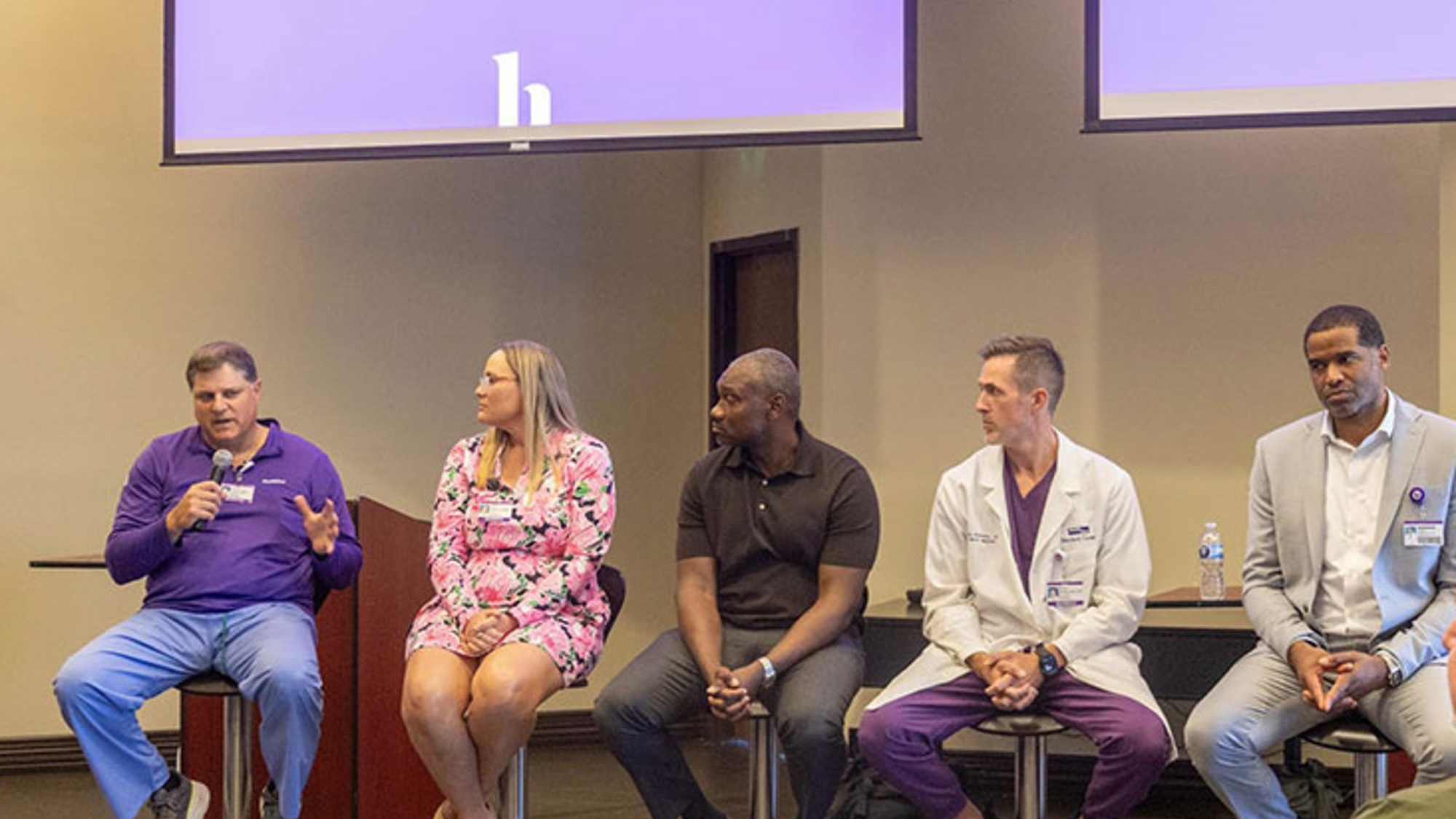
Dr. Devin Datta, orthopedic spine surgeon with Health First Medical Group, shares expert guidance with attendees during a free community Orthopedic and Spine Expert Q&A.
The panel encouraged attendees not to compare their care to someone else’s experience but instead work closely with their physician to develop a treatment plan that fits their individual goals and lifestyle.
In addition to treatment options, attendees asked practical questions about scheduling appointments, navigating referrals, and how to recognize when persistent pain warrants a visit to an orthopedic specialist rather than being a normal part of aging.
The discussion also touched on bone health and osteoporosis, with physicians encouraging people, especially older adults, to talk with their healthcare providers about bone density screenings and ways to reduce their risk of fractures as they age.
Throughout the event, one message resonated with attendees: early intervention and prevention matter.
Addressing pain before it worsens, staying physically active, and building healthy habits can go a long way toward maintaining mobility and independence.
The free Q&A reflected Health First’s commitment to connecting the community with trusted physicians and making expert health information accessible outside of the exam room.
By creating opportunities for open conversation, patients and community members can feel more informed, ask questions in a relaxed setting, and gain confidence in making decisions about their care.
For many attendees, the afternoon offered more than answers.
It provided reassurance that expert orthopedic and spine care is available close to home and that Health First’s team is committed to helping patients move better, feel better, and continue doing the activities they love.
For more information about orthopedic services at Health First, visit hf.org/ortho.
For more information about spine care at Health First, visit hf.org/spine.