Health First’s Holmes Regional marks 1,000th Watchman procedure for AFib patients.

Health First’s Holmes Regional Medical Center recently celebrated the 1,000th WATCHMAN™ implantation — a major milestone in stroke prevention for patients with atrial fibrillation (AFib).
Atrial fibrillation (A-Fib) is the most common heart rhythm disorder in the United States affecting nearly 3 million people. Patients with A-Fib are five times more likely to have a stroke than patients without A-Fib. And strokes occurring in patients with atrial fibrillation are more likely to be severe — or fatal.
For decades, blood thinners were prescribed for A-Fib patients in order to reduce stroke risk, but blood thinners carry numerous risks, including bleeding.
The WATCHMAN is a small, parachute-shaped implant that seals off the heart’s left atrial appendage — the source of most stroke-causing clots in AFib patients. At Holmes Regional, the procedure is performed in a minimally invasive way, offering a vital alternative to long-term blood thinner use.

“This milestone represents more than just a number — it’s 1,000 lives given a safer future,” said Dr. Dineshkumar Patel, M.D., the interventional cardiologist who implanted the 1,000th WATCHMAN™. “The device allows us to protect patients in ways we couldn’t before and I’m proud that Holmes Regional continues to lead the way in life-changing cardiac care.”
“Milestones like this aren’t achieved by one person alone — they’re the result of an extraordinary team effort,” Patel added. “Our success with the WATCHMAN™ program is a testament to the skill and dedication of our entire cardiovascular team, including our interventional cardiologists, electrophysiologists and the incredible cath lab nurses and techs who support every procedure. Their expertise and commitment allow us to offer leading-edge stroke prevention right here in Brevard, making a real difference in our patients’ lives.”
Health First Cardiac Electrophysiologist Dr. Vishal Patel and Interventional Cardiologist Dr. Thierry Momplaisir have also played key roles in the growing success of the WATCHMAN program at Holmes.
“To me, this reflects the health system’s deep commitment to delivering exceptional care, expanding treatment options for our patients, and doing so with consistently low complication rates,” said Momplaisir.
“We take on complicated patients who have been turned away,” added Dr. Vishal Patel.
Many of these procedures at Holmes Regional have been guided by intracardiac echocardiography (ICE), an alternative imaging method used when transesophageal echocardiography (TEE) isn’t feasible due to other health conditions.
“The wide range of structural heart procedures offered at the Heart Center — combined with our consistently low complication rates — makes Holmes Regional a trusted destination for advanced cardiac care in the region,” said Dr. Dinesh Patel. “High-risk patients should know that right here in Brevard County, we offer comprehensive, advanced care — from electrophysiology to valve replacement and heart surgery — through strong, well-established programs.”
AFib patients are traditionally prescribed blood thinners to reduce stroke risk, but for many, these medications carry serious side effects, including intracranial bleeding. Others, particularly those with high blood pressure or a history of falls, may not be candidates for long-term use.
The WATCHMAN offers a safe and effective alternative. “It reduces mortality,” Momplaisir said. “And it may save patients hundreds of dollars a month in prescription costs.”
“The procedure is very low-risk, and we usually send people home within 24 hours,” he added.
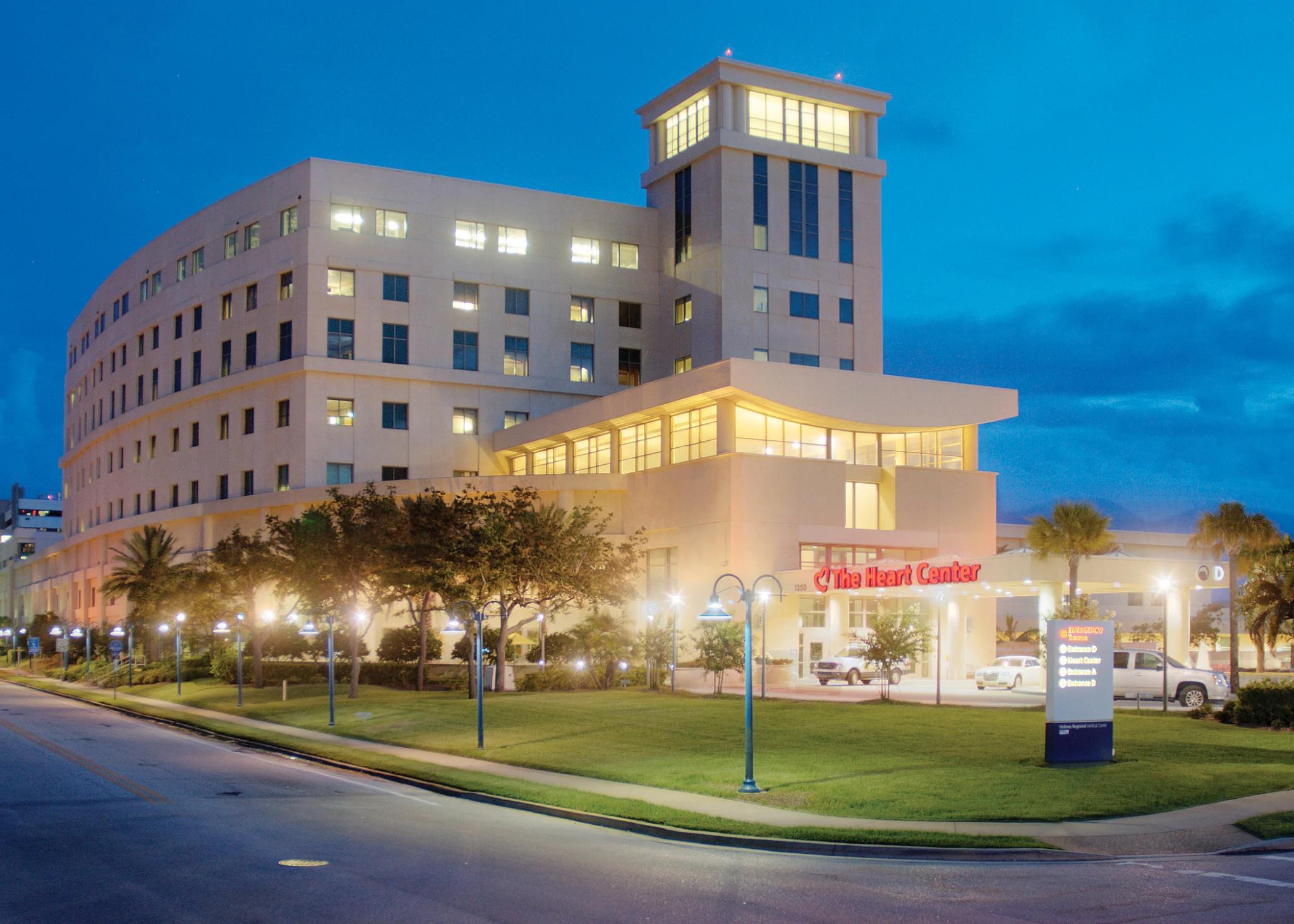
Many of these procedures at Holmes Regional have been guided by intracardiac echocardiography (ICE), an alternative imaging method used when transesophageal echocardiography (TEE) isn’t feasible due to other health conditions.
Dr. Vishal Patel emphasized the importance of local access to this level of care: “AFib patients should know about Holmes Regional’s track record with WATCHMAN devices. It’s one more way the Heart Center is improving quality of life in this area. When patients can get quality care without having to travel far, they’re more likely to pursue treatment early — when outcomes are best.”
“When their follow-ups, their pre-ops — when all of the visits are taken care of locally — there’s a sense of comfort and familiarity that both patients and physicians should want,” he said.
Approximately two years after receiving the WATCHMAN™ implant at Holmes Regional, Sue Wolfe said she barely notices it’s there. “I feel more confident with the WATCHMAN, and I do not have to worry about taking blood thinners anymore or worry about clots.”
Wolfe hopes that increased awareness of the device will help others explore their options.
“The more knowledge people have about this device, the more who can get off of blood thinners,” she said.
According to Boston Scientific Corp., manufacturer of the WATCHMAN FLX™ Pro, the latest version of the device features a state-of-the-art coating that speeds tissue healing over the implant, enhanced visibility during the procedure and a 25% larger size to accommodate patients with larger heart appendages.
Health First in the news.
Stay informed about the latest at Health First, from new technology to groundbreaking procedures and more.


